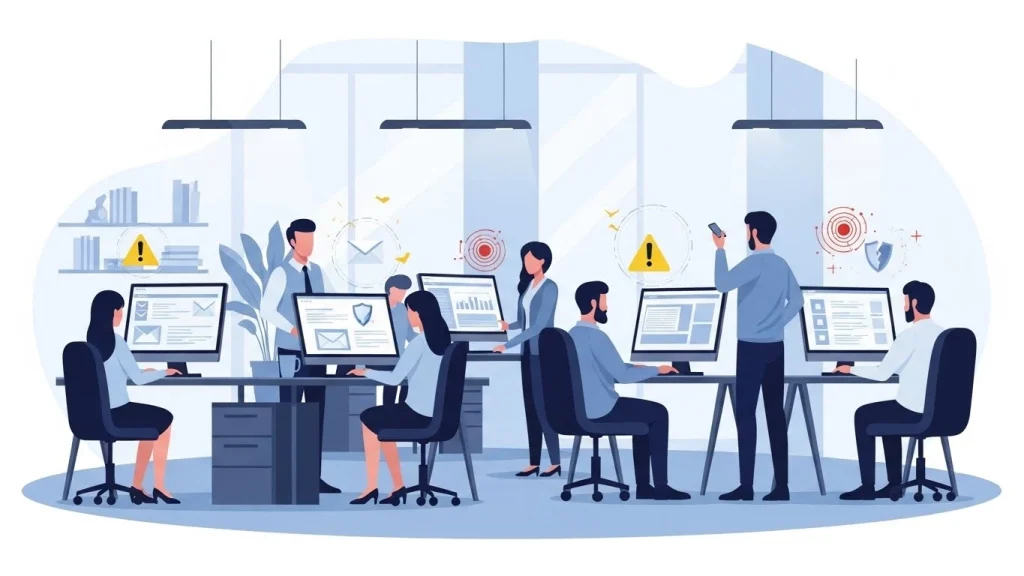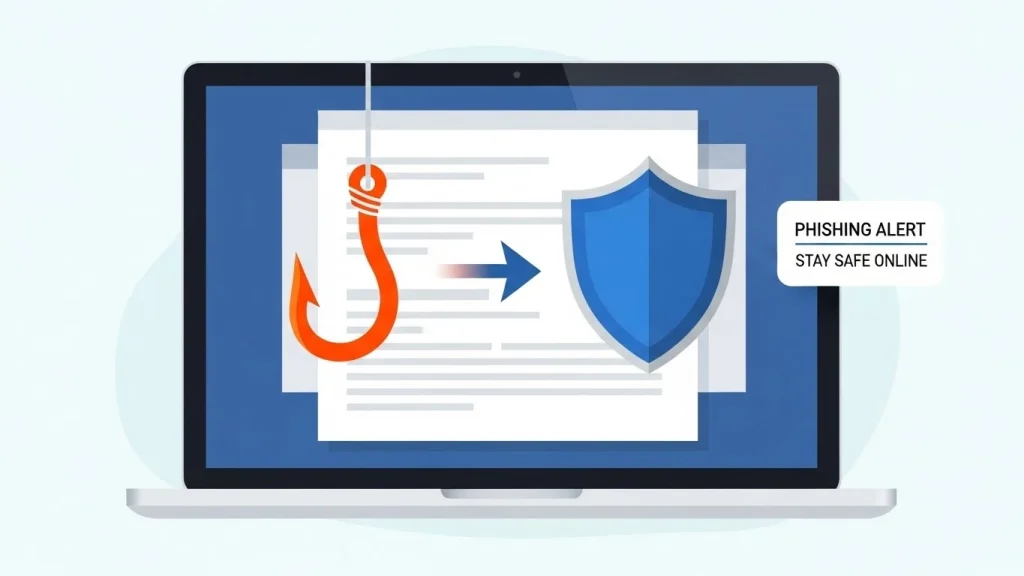
Phishing attacks are the most common and most successful form of cybercrime in the world today. They don’t rely on advanced hacking tools or technical weaknesses. Instead, they rely on something much simpler — human behavior.
Every day, employees receive emails, messages, and links that appear to come from trusted sources. A single moment of distraction is all it takes for a phishing attack to succeed. This is why phishing remains the number one cause of data breaches in organizations of all sizes.
At The Kaffy Cyber Consulting, we help organizations train their employees to recognize and stop phishing attacks before damage is done.
What Is Phishing?
Phishing is a cyber attack where criminals pretend to be someone you trust in order to steal information, money, or access to systems.
These attackers may pretend to be:
-
A company executive
-
The IT department
-
A bank
-
A client or supplier
-
A delivery company
-
A cloud service like Microsoft, Google, or Dropbox
The goal is to trick the employee into clicking a link, downloading a file, or entering login details.
Once that happens, attackers can:
-
Steal passwords
-
Access email accounts
-
Install malware
-
Transfer money
-
Steal confidential data
Why Phishing Works So Well
Phishing attacks succeed because they are designed to look normal. Hackers carefully copy real emails, logos, writing styles, and formatting. Some phishing messages are so realistic that even experienced professionals can fall for them.
Phishing works because it uses:
-
Urgency (“Your account will be locked”)
-
Fear (“Unusual activity detected”)
-
Authority (“This is from your manager”)
-
Curiosity (“See the attached document”)
-
Pressure (“Respond within 24 hours”)
These psychological tricks cause people to act before they think.
Common Types of Phishing Attacks
Email Phishing
Fake emails pretending to be from trusted companies or colleagues.
Spear Phishing
Targeted attacks sent to specific employees such as HR, finance, or executives.
SMS Phishing (Smishing)
Fake messages sent via text or WhatsApp.
Voice Phishing (Vishing)
Phone calls pretending to be from IT support, banks, or management.
Fake Login Pages
Websites that look like Microsoft, Google, or company portals but steal passwords.
How One Click Can Lead to a Breach
When an employee clicks a phishing link:
-
They are taken to a fake website
-
They enter their login details
-
Hackers capture the information
-
Criminals log into company systems
-
Data is stolen or malware is installed
This can happen in seconds.
The employee may not even realize anything went wrong — until it’s too late.
Why Employees Are the Main Target
Hackers don’t attack computers first — they attack people.
Employees:
-
Use company email
-
Have access to data
-
Can approve payments
-
Can reset passwords
-
Can download files
This makes them the easiest and most effective way into an organization.
How to Recognize a Phishing Attempt
Employees should be trained to look for:
-
Emails that create urgency
-
Requests for passwords or codes
-
Unexpected attachments
-
Misspelled web addresses
-
Generic greetings (“Dear user”)
-
Links that don’t match the sender
-
Messages that pressure quick action
If something feels wrong, it usually is.
Why Awareness Training Is the Best Defense
Technology can block many phishing attempts — but not all of them.
The best defense is an educated employee.
Cybersecurity awareness training teaches staff:
-
How phishing works
-
How to spot warning signs
-
What to do if they click
-
How to report suspicious messages
When employees are trained, phishing attacks fail.
How The Kaffy Cyber Consulting Helps
We provide employee-focused phishing awareness training that:
-
Uses real-world examples
-
Teaches simple detection techniques
-
Builds confidence
-
Encourages reporting instead of fear
Our goal is to turn your staff into a human firewall that blocks phishing before it becomes a breach.
Final Thoughts
Phishing is not going away. In fact, it is becoming more convincing every year.
But with the right training, employees can become your strongest defense.
If you want to reduce cyber risk, protect sensitive data, and prevent costly mistakes, start with the people behind the screens.
Ready to protect your team from phishing attacks?
Contact The Kaffy Cyber Consulting to learn how we can train your employees to stay alert, informed, and secure.