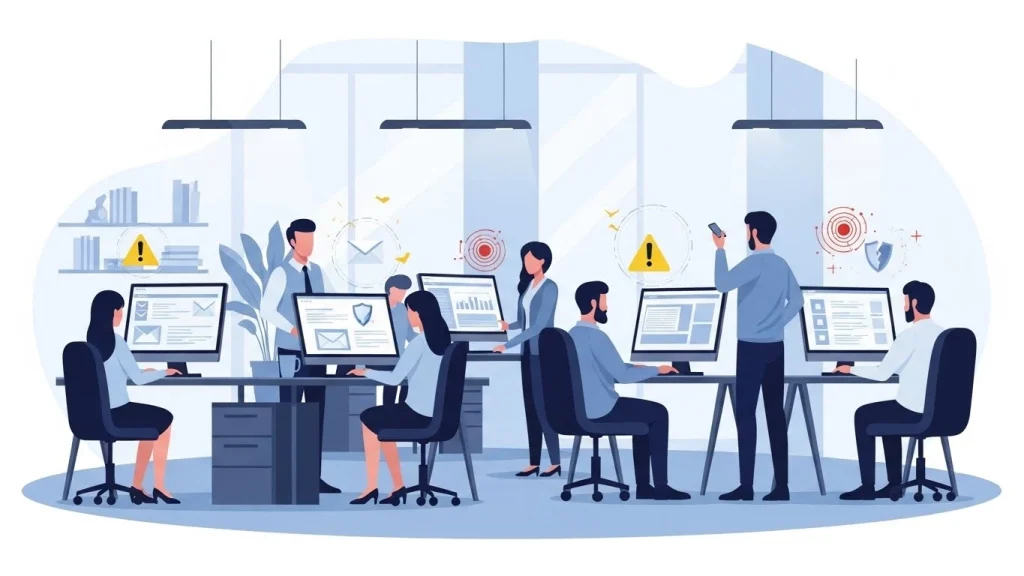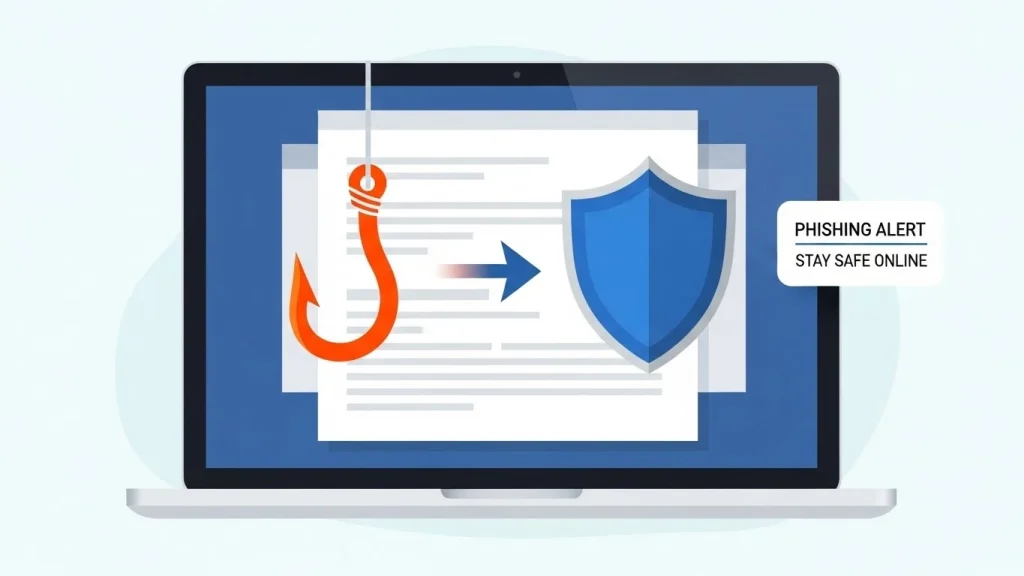
Many small business owners believe cybersecurity is only for big companies with large IT teams and expensive software. This mindset is exactly what cybercriminals rely on. Small businesses are now one of the biggest targets for hackers — not because they are unimportant, but because they are easier to break into.
At The Kaffy Cyber Consulting, we work with startups, entrepreneurs, and growing companies to build strong cybersecurity even on limited budgets. The truth is, staying secure is more about smart habits and awareness than expensive tools.
Why Hackers Target Small Businesses
Small businesses often:
-
Lack dedicated security staff
-
Use weak passwords
-
Share accounts between employees
-
Skip software updates
-
Do not train their staff
-
Assume they are “too small to be hacked”
Hackers love easy targets. A small company with poor security can be just as profitable as a big one.
The Most Common Small Business Cyber Attacks
Here are the biggest threats facing small businesses today:
1. Phishing Emails
Fake emails that look like they come from banks, suppliers, or colleagues. One click can give hackers access to your entire system.
2. Ransomware
Malware that locks your files and demands payment. Many small businesses never recover from this.
3. Weak Password Attacks
Hackers use stolen passwords from other websites to break into business accounts.
4. Fake Invoices and Payment Fraud
Criminals trick finance teams into sending money to fake accounts.
You Don’t Need Expensive Tools to Be Secure
Cybersecurity is not about buying every software on the market. It is about protecting what matters most using smart, simple steps.
Five Low-Cost Ways to Protect Your Business
1. Train Your Employees
Your staff is your first line of defense. Teach them:
-
How to recognize phishing
-
How to avoid suspicious links
-
How to report strange emails
This costs very little but saves thousands.
2. Use Strong, Unique Passwords
Every employee should use:
-
A different password for every system
-
Passwords that are long and hard to guess
A password manager can help keep this simple.
3. Turn On Two-Factor Authentication
This adds a second step when logging in, such as a code sent to a phone. Even if a password is stolen, hackers cannot get in.
4. Keep Devices Updated
Outdated software contains security holes. Always update:
-
Operating systems
-
Browsers
-
Email apps
-
Business software
Updates close doors that hackers use.
5. Back Up Important Data
Keep copies of your files in secure cloud storage or external drives. If ransomware hits, you can restore your data without paying criminals.
Remote Work Needs Extra Protection
Many small businesses now allow employees to work from home. This increases risk if devices and Wi-Fi are not protected.
Employees should:
-
Use strong Wi-Fi passwords
-
Lock their devices
-
Avoid public Wi-Fi
-
Keep work files separate from personal use
Why Training Is the Best Investment
The biggest weakness in any business is human error. Training turns:
-
Risk into awareness
-
Mistakes into prevention
-
Employees into defenders
A trained team is stronger than any expensive software.
How The Kaffy Cyber Consulting Helps Small Businesses
We provide:
-
Simple cybersecurity training
-
Phishing awareness
-
Device protection guidance
-
Ongoing support
We help small businesses stay safe without breaking the bank.
Final Thoughts
You do not need a large IT department to be secure. You need:
-
Educated employees
-
Strong habits
-
Smart systems
Cybersecurity is not about how big your business is — it is about how prepared it is.
Protect your business today.
Contact The Kaffy Cyber Consulting and build cybersecurity that fits your budget.