In today’s digital world, most businesses believe that their biggest cybersecurity risks come from hackers, malware, or technical vulnerabilities. While these threats are real, the truth is much simpler — and more dangerous.
The weakest link in most cybersecurity systems is not the technology. It is the people who use it.
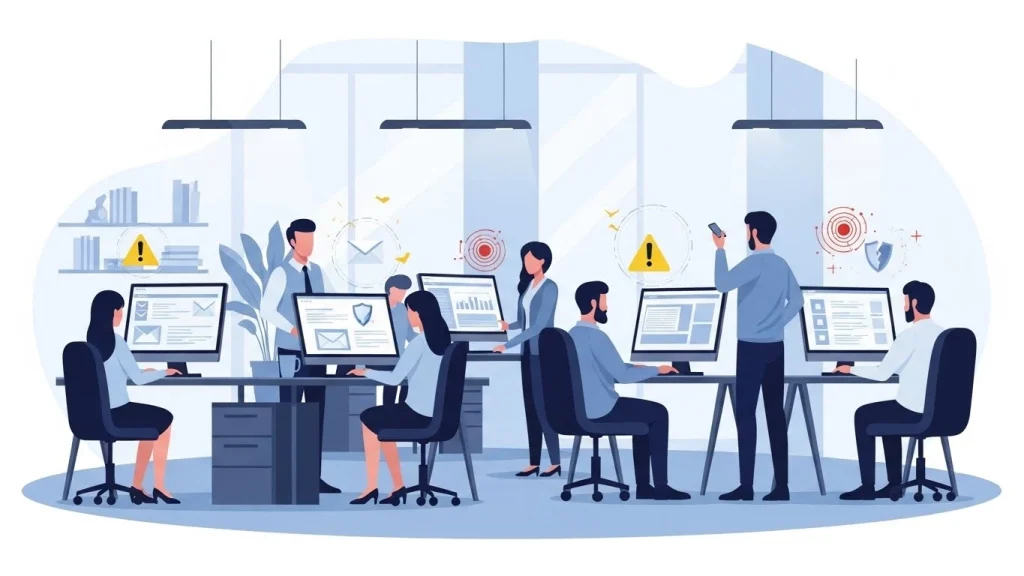
Employees send emails, click links, download files, access sensitive data, and use company devices every day. When even one employee makes a small mistake, it can open the door to devastating cyber attacks. This is why organizations across the world are now focusing on cybersecurity awareness training as their first and most important defense.
At The Kaffy Cyber Consulting, we help organizations reduce cyber risk by strengthening the human layer of security — because people, when properly trained, can stop attacks before they start.
Why Human Error Causes Most Cybersecurity Breaches
Many companies invest heavily in firewalls, antivirus software, and cloud security tools. Yet breaches still happen. Why?
Because attackers don’t always break into systems — they trick people into letting them in.
Employees are targeted through:
-
Phishing emails
-
Fake login pages
-
Social engineering messages
-
Malicious file attachments
-
SMS and WhatsApp scams
-
Fake IT support calls
These attacks work because they exploit trust, urgency, curiosity, and fear — not technical weaknesses.
A single click on a malicious link can:
-
Install ransomware
-
Steal login credentials
-
Give hackers access to company systems
-
Expose sensitive customer or employee data
Even highly skilled professionals can fall for these tricks if they have not been trained to recognize them.
The Cost of One Employee Mistake
Many businesses assume cyber attacks are rare or only happen to large companies. In reality, small and medium-sized organizations are often targeted more because they have fewer trained employees and weaker security cultures.
One employee mistake can lead to:
-
Financial loss
-
Business downtime
-
Legal penalties
-
Loss of customer trust
-
Damage to brand reputation
-
Regulatory fines
-
Operational disruption
For example:
-
A finance officer clicks a phishing email and sends money to criminals.
-
A staff member downloads malware that locks all company files.
-
An employee reuses passwords, allowing hackers to access multiple systems.
These incidents happen every day — not because companies lack technology, but because employees lack awareness.
Why Technology Alone Is Not Enough
Cybersecurity tools are important, but they cannot:
-
Stop an employee from sharing passwords
-
Prevent someone from clicking a fake link
-
Detect a social engineering phone call
-
Stop sensitive data from being sent to the wrong person
Technology protects systems.
People protect access.
This is why modern cybersecurity is shifting from “tools only” to “people plus technology.”
A company with well-trained employees is far more secure than one with expensive software but unaware staff.
How Hackers Target Employees
Cybercriminals know employees are the easiest way into a company. They use carefully designed attacks that look legitimate and professional.
Common tactics include:
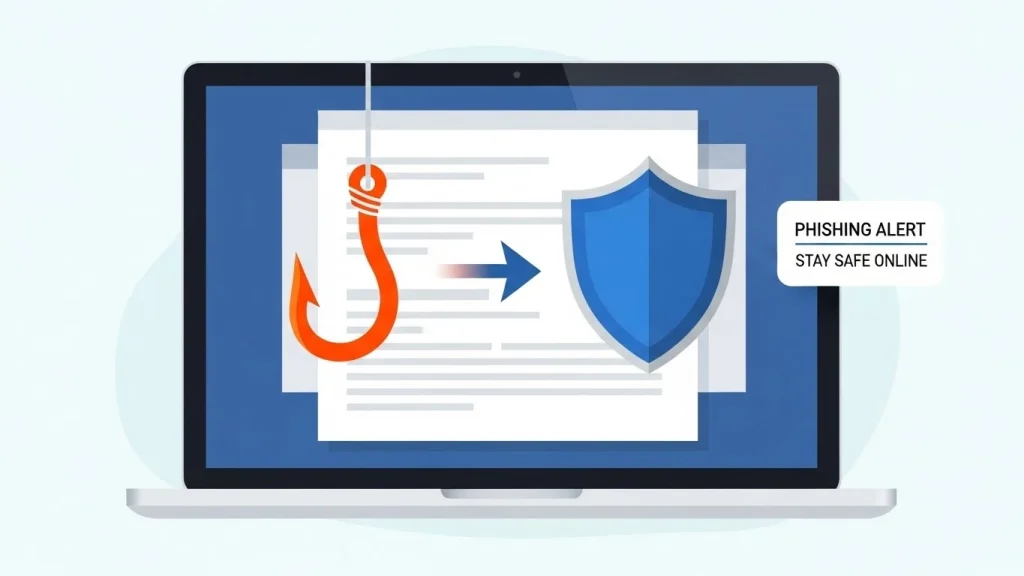
Phishing Emails
Fake emails that look like they come from:
-
Banks
-
HR
-
IT departments
-
Managers
-
Clients
These emails often say:
-
“Your account has been locked”
-
“Urgent payment required”
-
“Update your password”
-
“You have a new document”
The goal is to get the employee to click.
Social Engineering
Hackers pretend to be:
-
Colleagues
-
Support staff
-
Executives
-
Vendors
They pressure employees into giving information, resetting passwords, or transferring money.
Malicious Attachments
Files that look like:
-
Invoices
-
Reports
-
CVs
-
Contracts
But once opened, they install malware or spyware.
Why Employees Are Not to Blame
It is easy to blame employees after a breach — but that is not the solution.
Most employees:
-
Want to do their job well
-
Want to help customers
-
Want to respond quickly
-
Want to avoid trouble
Hackers use this against them.
The real problem is not careless staff — it is untrained staff.
Without proper cybersecurity education, employees cannot be expected to recognize threats that are designed to look normal.
How Cybersecurity Awareness Training Fixes This Problem
The solution is not fear.
The solution is education.
Cybersecurity awareness training teaches employees:
-
How to recognize phishing emails
-
How to spot fake websites
-
How to handle sensitive data
-
How to use strong passwords
-
How to secure their devices
-
How to respond to suspicious activity
When employees know what to look for, they stop being easy targets.
They become a human firewall.
What a Strong Security Culture Looks Like
In organizations with strong security awareness:
-
Employees question suspicious emails
-
Staff report potential threats
-
Passwords are handled safely
-
Data is shared carefully
-
Devices are protected
-
Mistakes are corrected quickly
Cybersecurity becomes part of everyday work — not just an IT issue.
How The Kaffy Cyber Consulting Helps
At The Kaffy Cyber Consulting, we specialize in turning everyday employees into confident cyber defenders.
We provide:
-
Practical cybersecurity awareness training
-
Phishing and scam education
-
Data protection guidance
-
Remote work security training
-
Ongoing security culture support
Our programs are designed for non-technical staff, making cybersecurity simple, clear, and actionable.
We don’t overwhelm people with jargon — we give them the skills they actually need.
Final Thoughts
Cybersecurity is no longer just about software, firewalls, or IT teams. It is about people.
When employees are educated, aware, and confident, cyber attacks fail.
If your organization wants to reduce cyber risk, protect data, and stay secure in today’s digital workplace, the first step is simple:
Train your people.
Want to strengthen your organization’s first line of defense?
Contact The Kaffy Cyber Consulting today to learn how we can help your employees stay safe, alert, and cyber-aware.